4 posts tagged with "Vulnerability Alerts"

Security vulnerabilities and alerts

View All Tags
LiteLLM Supply Chain Poisoning: A Full-Path Analysis from Trivy Compromise to Zero-Click Malicious .pth Injection

LiteLLM Supply Chain Poisoning: A Full-Path Analysis from Trivy Compromise to Zero-Click Malicious .pth Injection

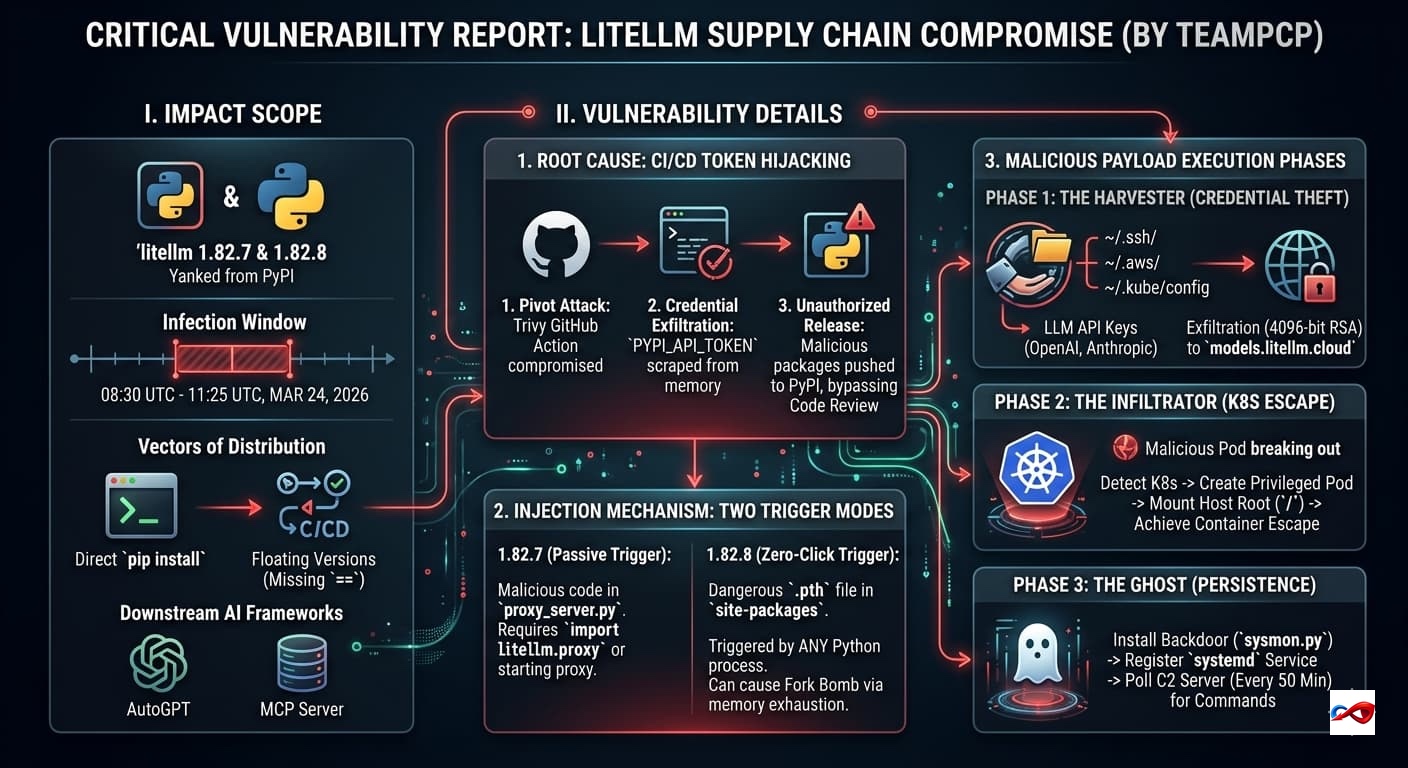
The popular AI framework LiteLLM has fallen victim to a severe supply chain poisoning attack. The threat actor, TeamPCP, compromised the upstream tool Trivy to steal publishing tokens, subsequently planting a malicious version in the PyPI repository equipped with fork bomb capabilities and container escape functionality.

VULNERABILITY ALERTS
Supply Chain Poisoning and Developer Credential Theft in Apifox Desktop Client

Supply Chain Poisoning and Developer Credential Theft in Apifox Desktop Client

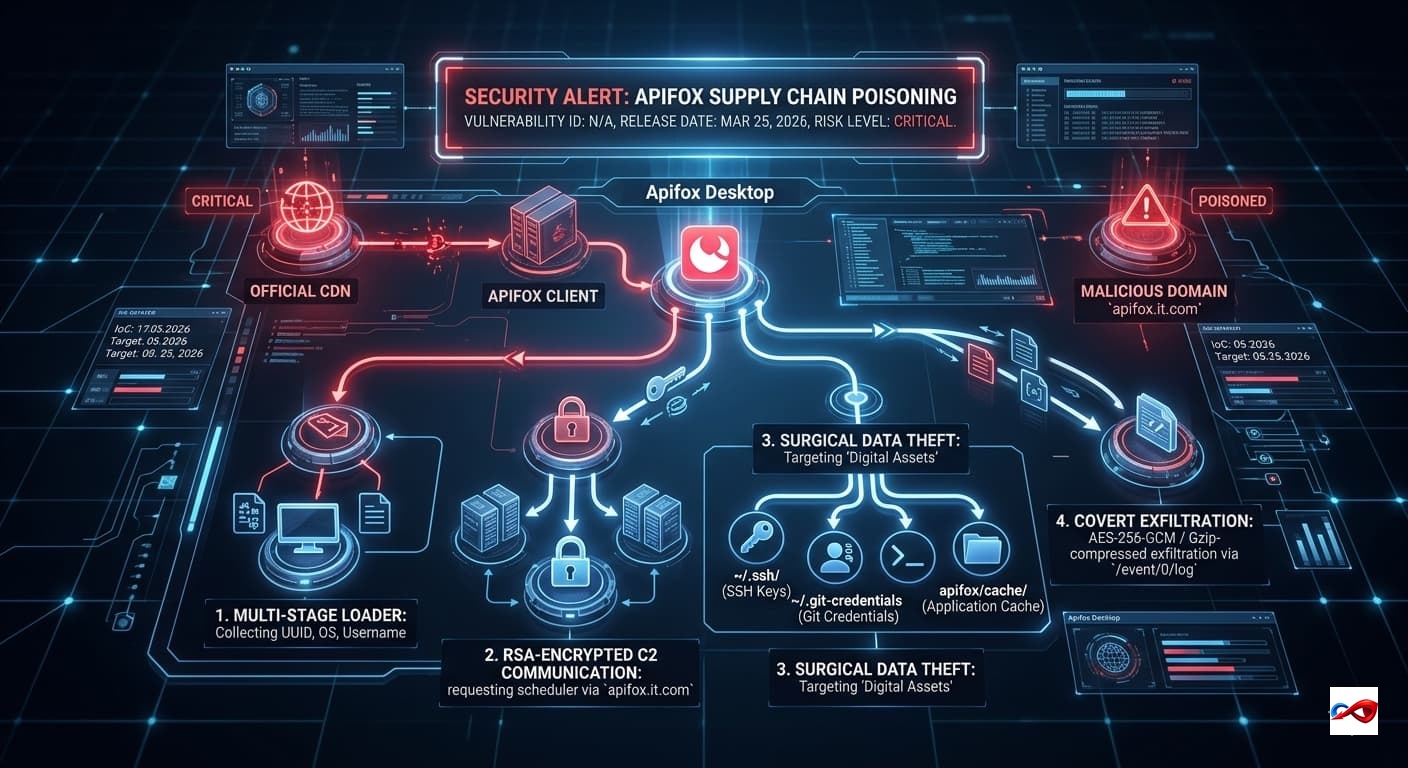
Apifox has fallen victim to a supply chain poisoning attack. By tampering with the official CDN-hosted event tracking script, `apifox-app-event-tracking.min.js`, attackers have successfully implanted a high-risk Trojan loader into the client application.

VULNERABILITY ALERTS
Code Execution Vulnerability Discovered in OpenAI Codex Desktop

Code Execution Vulnerability Discovered in OpenAI Codex Desktop

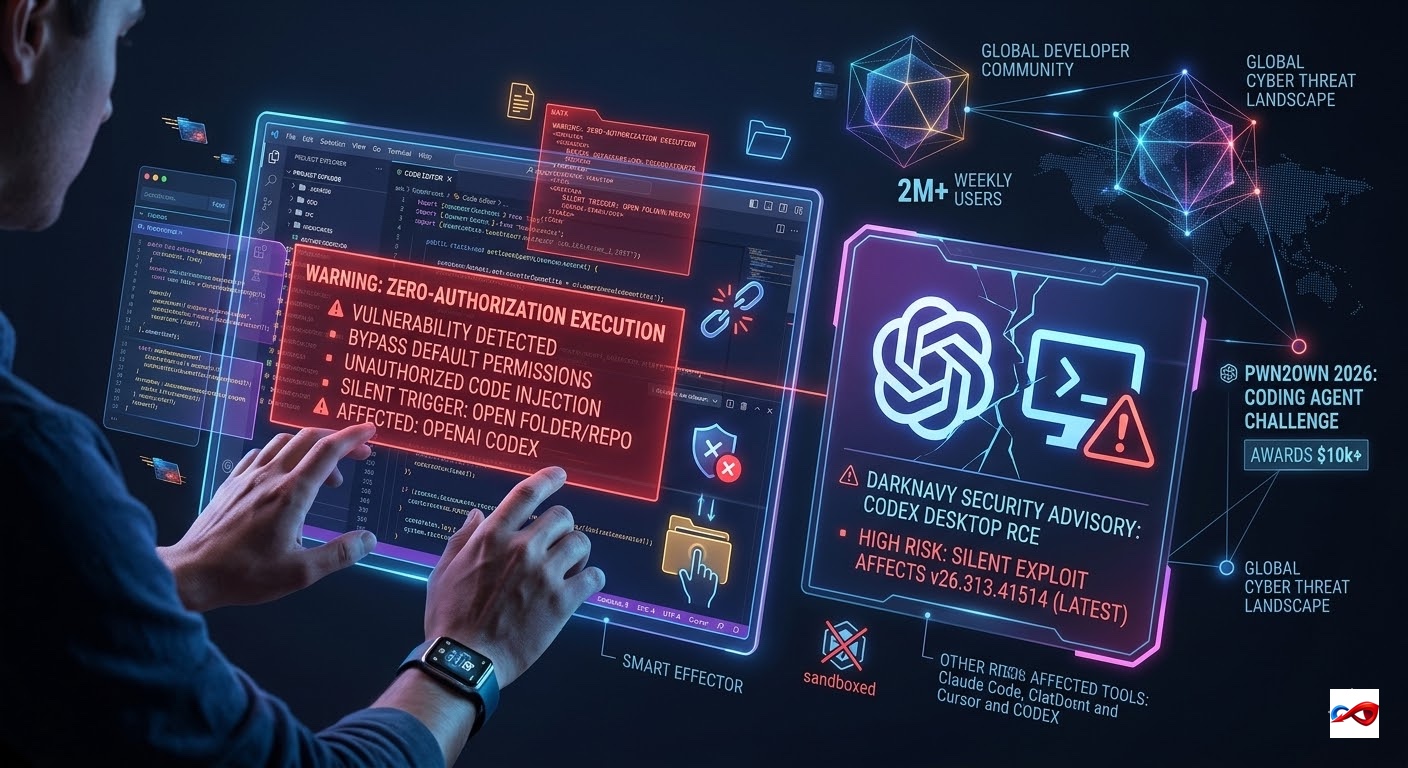
A critical security vulnerability has been identified in OpenAI Codex: an attacker can bypass permission validation and achieve remote code execution (RCE) simply by inducing a user to open a folder.

VULNERABILITY ALERTS
Security Alert: North Korean Threat Actor FAMOUS CHOLLIMA Releases 26 Malicious npm Packages

Security Alert: North Korean Threat Actor FAMOUS CHOLLIMA Releases 26 Malicious npm Packages

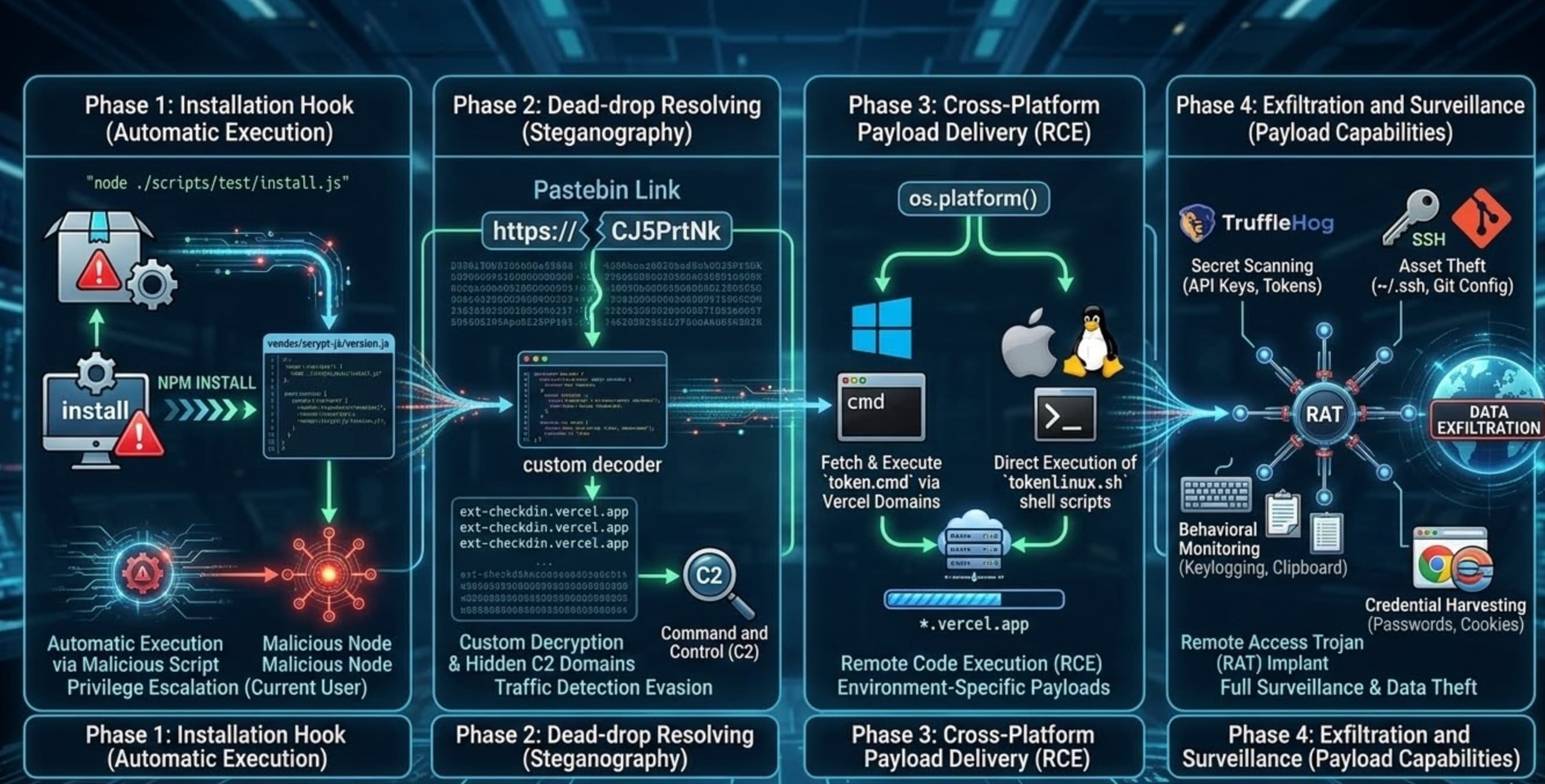
Security researchers have detected a large-scale supply chain attack on the official npm registry orchestrated by the North Korean-linked threat group **FAMOUS CHOLLIMA** (also known as LabP2P). The group released at least **26 malicious packages** masquerading as legitimate development tools. These packages utilize `install.js` scripts to automatically trigger Remote Access Trojans (RATs) upon installation, aiming to exfiltrate developers' SSH keys, Git repositories, browser credentials, and sensitive clipboard data.

VULNERABILITY ALERTS